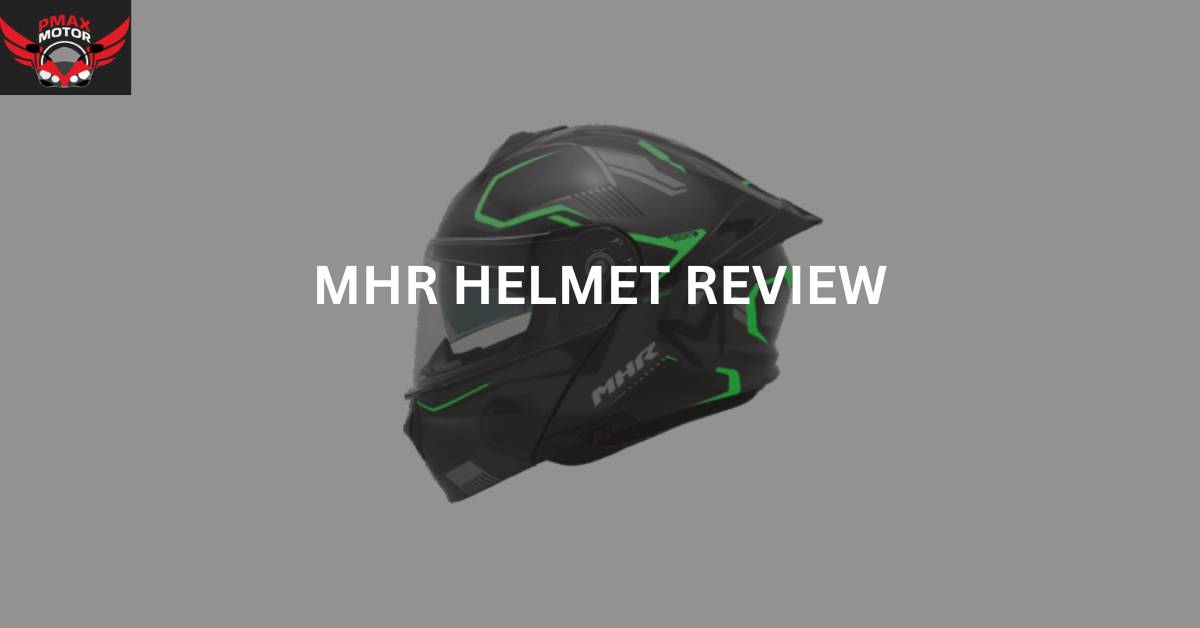
MHR helmet Review: Helmet compared to others Brands
- Best for: Daily commuting, students, delivery riders
- Safety: Legit (ECE 22.06 + SIRIM), not a compromise
- Comfort: Good for short rides, average for long distances
- Compared to others: Cheaper, but less refined
- Biggest trade-off: Noise and weight at higher speeds
If you are a daily commuter navigating traffic, rain, and heat, the goal is simple: stay safe, stay comfortable, and avoid overspending.
MHR sits firmly in the “value king” category, alongside brands like Gracshaw and Zeus.
For Malaysian riders, this matters more than you think. Motorcycle helmets are exposed to:
- Constant humidity
- Sweat buildup from daily use
- Frequent short trips rather than long highway rides
This is why many riders quietly use MHR as a daily workhorse helmet, even if they own a more expensive one.
Table of Contents
ToggleWhat Is MHR and Where Does It Stand in 2026?
MHR (commonly associated with MHR Racing in Malaysia) is positioned as a budget-friendly helmet brand that prioritises practical riding needs over premium performance.
Instead of competing with high-end brands like Arai or Shoei, MHR sits closer to entry and mid-range options such as HJC and LS2, but at a more accessible price point.
For Malaysian riding conditions, heat, traffic, and frequent stop-start journeys, that positioning actually works in its favour.
How Good and Safe Are MHR Helmets?
Safe enough for riding on our roads and surviving the 5 PM thunderstorms, so as long as you choose certified models.
Safety Certifications
- ECE 22.06: Latest European safety standard with improved impact and rotational testing
- SIRIM: Required for legal road use in Malaysia
- DOT is NOT certified or recognised in Malaysia, it must have SIRIM’s label
Construction
- Outer shell: ABS (common on MHR models)
- Inner liner: EPS impact-absorbing liner (often described as full-coverage EPS)
- Use case: Designed for urban speeds and everyday riding
Features of MHR Helmets (What You Actually Get)
MHR helmets focus on practical, everyday features rather than racing-level upgrades, which makes them highly usable for daily riders.
Dual Visor System
- Built-in sun visor for daytime riding
- Clear outer visor for night use
- No need for sunglasses
Comfortable Inner Liner
- Removable and washable padding
- Moisture-wicking for hot weather
- Designed for daily wear
Helmet Types Available
- Open-face: Maximum airflow for city use
- Full-face: Better protection at higher speeds
- Flip-up: Convenience for frequent stops
Fastening Systems
- Double D-ring for maximum security
- Micrometric buckle for convenience
ABS Shell + EPS Liner
- Proven safety structure
- Slightly heavier than premium materials
- Reliable for everyday use
Design & Style
- Modern graphics and colourways
- Retro options available
- Strong visual appeal for budget range
Best & Most Popular MHR Helmets in Malaysia
These models represent the most commonly chosen MHR helmets across different rider needs.
Model | Type | Price Range | Features | Best For |
NV JET3 Series | Open-face | RM430–RM480 | ECE 22.06, dual visor, good ventilation | Daily commuting |
GTZ Flip-Up | Modular | RM439–RM489 | Flip-up design, dual visor | Convenience riders |
GT6 Full Face | Full-face | RM299–RM380+ | Full protection, better wind resistance | Mixed riding |
RAM 3 | Open-face | RM299–RM320 | Lightweight, simple design | Budget riders |
Which MHR Helmet Should You Choose?
Each MHR model is built for a slightly different riding style, so the “best” option really depends on how and where you ride daily.
NV JET3 Series (Best Overall for Daily Riding)
The most balanced choice across safety, comfort, and everyday usability.
- Comes with ECE 22.06 certification, making it one of the safer MHR options currently available
- Dual visor system helps with day-to-night riding without switching gear
- Good ventilation, which matters in Malaysia’s heat and stop-start traffic
Ideal for: Daily commuters who want a modern, reliable helmet without overthinking specs
GTZ Flip-Up (Best for Convenience Riders)
Built for riders who value flexibility and quick access.
- Flip-up mechanism lets you open the front without removing the helmet
- More convenient for talking, deliveries, or frequent stops
- Balanced comfort between open-face and full-face designs
Ideal for: Grab, Foodpanda, and delivery riders, or anyone who needs constant stop-and-go convenience
GT6 Full Face (Best for Protection and Mixed Riding)
A better option if you ride beyond just city traffic.
- Full-face coverage provides better impact protection
- Improved wind resistance compared to open-face helmets
- More suitable for highway stretches and longer rides
Ideal for: Riders commuting between cities or doing mixed city + highway routes who want more protection
RAM 3 (Best Budget Entry Option)
The simplest and most affordable way to get started, probably the first motor helmet you bought too.
- Lightweight and easy to wear
- Basic design focused on short-distance usability
- Lower price point makes it accessible for first-time riders
Ideal for: Students, short-distance commuters, or riders who need a backup helmet without spending much
- City commute + best balance → NV JET3
- Frequent stops + convenience → GTZ Flip-Up
- More protection + occasional highway → GT6 Full Face
- Lowest budget + short rides → RAM 3
Choose based on your daily riding pattern, not just price or looks.
MHR vs Other Helmet Brands
Brand | Strength | Weakness |
MHR | Affordable, practical | Noisy, heavier |
HJC | Better comfort and finish | Higher cost |
LS2 | Balanced performance | Slightly pricier |
Arai | Premium safety and comfort | Very expensive |
Shoei | Best-in-class refinement | Premium pricing |
Pros and Cons of MHR Helmets
Pros
- Affordable and widely available
- Certified safety (ECE 22.06 + SIRIM)
- Practical features for daily use
- Stylish designs for budget category
Cons
- Noticeable wind noise at higher speeds
- Heavier than premium helmets
- Less refined comfort for long rides
- Spare parts availability can vary
Should You Buy a MHR Helmet?
When MHR Is a Smart Buy
MHR helmets make the most sense when you prioritise practicality and value over premium feel.
- You ride daily in city traffic
- You want certified safety without overspending
- You need something reliable for short to medium distances
- You’re upgrading from a no-brand or uncertified helmet
Simple takeaway: If your rides are mostly under 1 hour, MHR gives you everything you need.
When You Might Want to Skip MHR
MHR may not be the best fit if comfort and refinement are your top priorities.
- You ride long distances regularly (1–2+ hours)
- You spend a lot of time on high-speed highways
- You are sensitive to wind noise and helmet weight
- You want a premium feel, quieter ride, or lighter shell
Budget helmets usually use ABS shells and simpler padding systems, which can feel heavier and noisier over time, especially on highways.
Is MHR Helmet Worth It? Yeah We Say So
For most riders, especially those using their bike every day, MHR offers everything you actually need without overspending. You are getting certified protection, usable features, and decent comfort at a price point that makes sense.
MHR is a smart, practical choice, but not a one-size-fits-all solution.
- If you ride mostly in the city, it is more than enough
- If you ride long distances or at higher speeds often, you may start to notice limitations in noise and weight
That is where stepping up to other brands becomes worth considering.
What We Recommend at PMAX Motor
While we don’t carry MHR helmets, we stock trusted alternatives like LS2 and Gracshaw that cover a wider range of rider needs.
- LS2: Great balance of comfort, weight, and safety for daily and highway riding
- Gracshaw: Strong value option with modern styling and practical features
Regardless, all the helmets that are SIRIM certified are great, mantap one.
Frequently Asked Questions About MHR Helmet Review
Is MHR helmet safe for daily use?
Yes, especially models with ECE 22.06 and SIRIM certification, which meet recognised safety standards.
Is MHR better than other budget helmets?
Yes. It offers certified protection and better build quality compared to most no-brand options.
Can I use MHR helmet for highway riding?
Yes, but for frequent high-speed riding, mid-range brands may provide better comfort and noise reduction.
How long does an MHR helmet last?
A common guideline is around 5 years from first use (and sooner if it’s been in a crash, dropped hard, or the fit/liner has deteriorated).
Is MHR helmet suitable for delivery riders?
Yes. Its affordability and practicality make it one of the most common choices for daily riders.
Should I choose full-face or open-face MHR helmet?
Open-face is better for city riding, while full-face offers more protection for higher speeds.